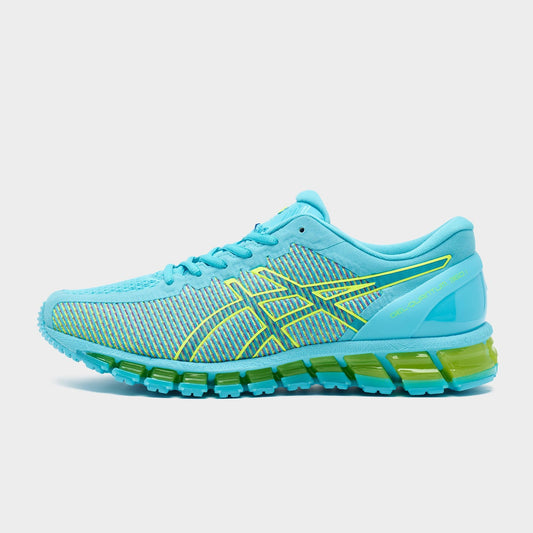
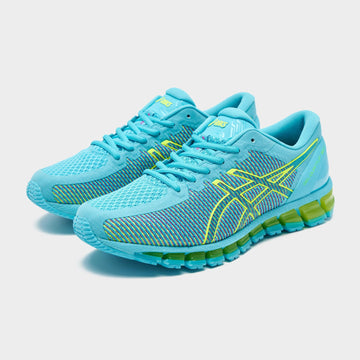
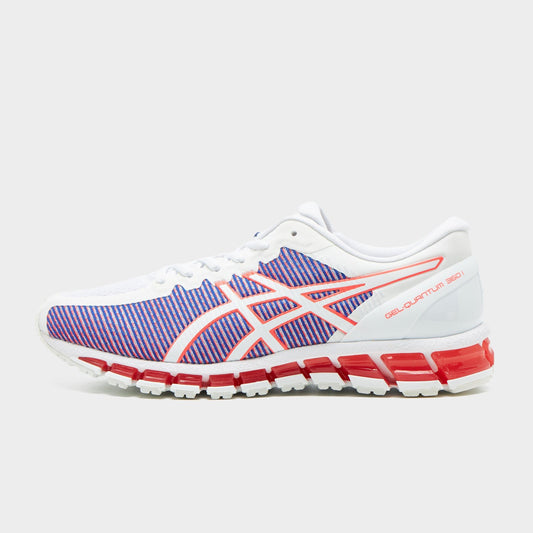
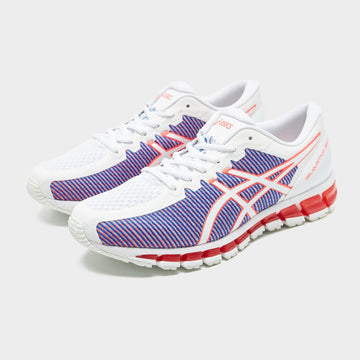
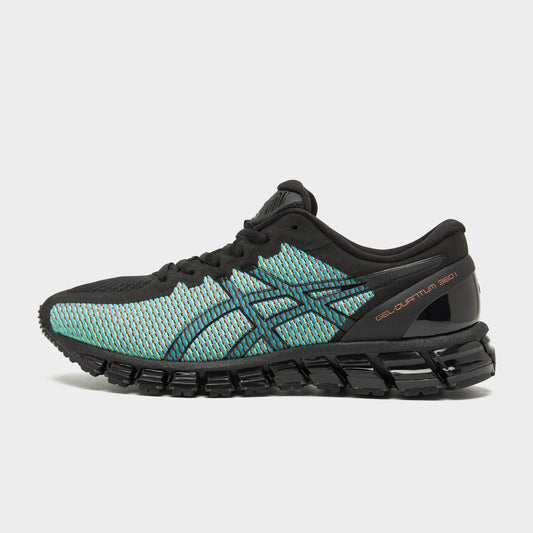
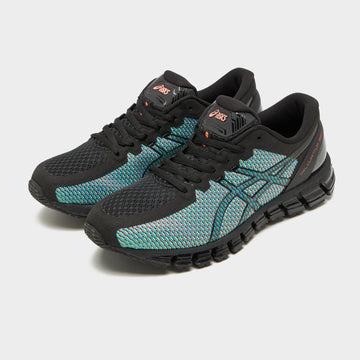
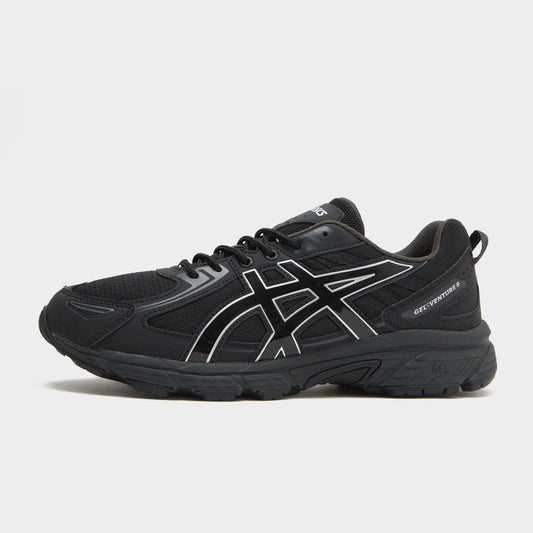
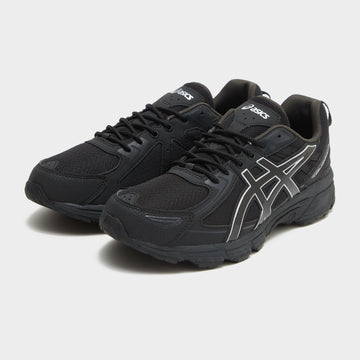
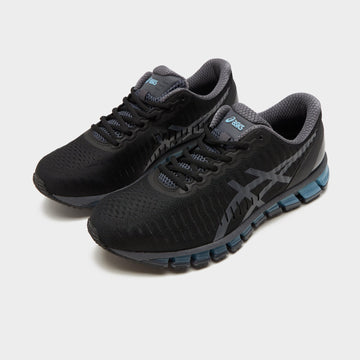
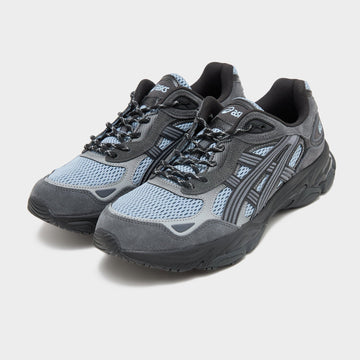
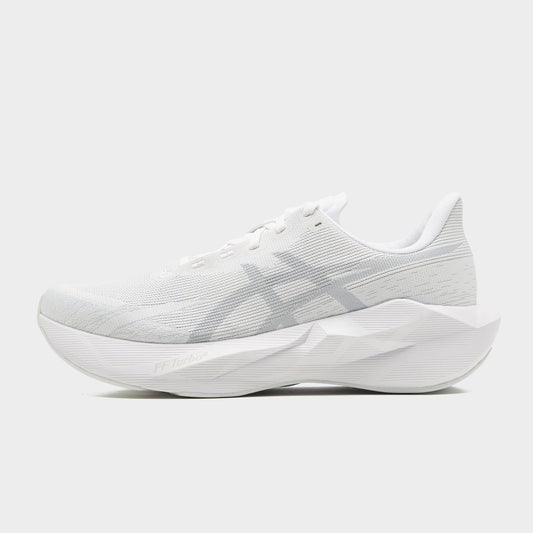
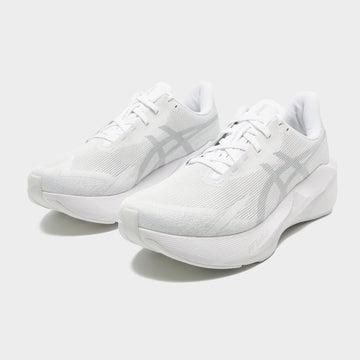
ASICS vs New Balance is one of the most searched running shoe questions in Australia, and the honest answer isn't "brand X wins". It depends on whether you're chasing structured support, plush cushioning, tempo-day propulsion, or a retro sneaker you can walk all day in. This guide answers it category by category, using our live Australian stock and real landed AUD pricing.
We re-checked every model, price and stock status in this comparison against our warehouse in October 2026. Both brands have a full current running range in stock: ASICS Gel-Kayano 33, Gel-Nimbus 28, Gel-Cumulus 28, GT-2000 15 and Novablast 6, against New Balance's 880 v15, 860 v15, 1080 v15 and FuelCell Rebel v5. Where a model has been superseded (Kayano 32 by the Kayano 33, for example), we point you to the current version from the same brand.
To be clear: LUZActive is an independent multi-brand Australian retailer, not an official partner or affiliate of ASICS or New Balance. We stock genuine pairs from both and tell you straight which one suits your training. Every price is what you'll actually pay landed in Australia, with GST and duties included under our Landed Price Guarantee and no surprise customs fees at delivery. Because the same model is often listed in several colourways at different prices, we show the range currently in stock.
Quick Answer: Is ASICS or New Balance Better?
Neither wins outright: ASICS is the pick for structured stability and GEL cushioning (Gel-Kayano 33, GT-2000 15), while New Balance has the broadest width range and a roomier toe box (880 v15, 860 v15 in 2E and 4E). For retro sneakers it's a style call.
Ready to shop? Browse all ASICS or New Balance, or go straight to the ASICS Gel Kayano, ASICS Gel Nimbus, ASICS Novablast, New Balance 1080 and FuelCell Rebel ranges. Use Check Availability on each product page for your size.
Best pick by use case
- For structured support and stability: both. ASICS Gel-Kayano 33 ($292, also in 2E and 4E widths) and GT-2000 15 ($326) against New Balance 860 v15 ($266, standard, 2E and 4E).
- For daily mileage: New Balance Fresh Foam X 880 v15 ($241) or ASICS Gel-Cumulus 28 (from $241). It comes down to fit: New Balance is roomier, ASICS is snugger at the heel.
- For max cushion and recovery runs: ASICS Gel-Nimbus 28 ($258) against New Balance 1080 v15 ($249–$351). Close to a straight swap.
- For speed work and tempo sessions: ASICS Novablast 6 ($334) is the bouncy, fun option; New Balance FuelCell Rebel v5 ($215–$292) is the lighter, more propulsive one.
- For walking, standing all day and everyday comfort: New Balance, mostly because of width fittings. The roomier toe box and multiple widths suit more foot shapes over long hours on your feet.
- For retro and lifestyle sneakers: genuinely close. New Balance 530, 9060 and 1906 versus ASICS Gel 1130 and Gel Kayano 14. It's a style call, not a performance one.
- For sizing: ASICS generally runs true-to-size with a narrower heel; New Balance runs true-to-size with a roomier forefoot and more width options.
What's in This Guide
- ASICS vs New Balance at a glance (live stock & prices)
- Best ASICS shoes in stock right now
- Best New Balance running shoes in stock right now
- New Balance equivalents to ASICS models (comparison table)
- ASICS vs New Balance 530: the retro sneaker comparison
- ASICS vs New Balance sizing and fit
- Which is more comfortable for walking and standing all day?
- Cushioning technology: GEL and FF BLAST+ vs FuelCell
- Durability and how long each brand lasts
- Are ASICS and New Balance the same company?
- Frequently asked questions
ASICS vs New Balance at a Glance
Here's what's genuinely available in our Australian warehouse in October 2026, matched to the use case each shoe is built for. Prices are landed AUD, GST and duties included.
| Use case | Best pick | Brand | Price (AUD) | Availability |
|---|---|---|---|---|
| Stability / overpronation support | Gel-Kayano 33 / 860 v15 | ASICS / New Balance | $292 / $266 | Both in stock, wide fits available |
| Max cushion / recovery runs | Gel-Nimbus 28 / 1080 v15 | ASICS / New Balance | $258 / $249–$351 | Both in stock (men's and women's) |
| Neutral daily trainer | Gel-Cumulus 28 / 880 v15 | ASICS / New Balance | $241 / $241 | Both in stock (2E wide on both) |
| Speed work / tempo sessions | Novablast 6 / FuelCell Rebel v5 | ASICS / New Balance | $334 / $215–$292 | Both in stock |
| Retro daily sneaker | Gel 1130 / 530 | ASICS / New Balance | $249 / $215–$232 | Both in stock |
| Chunky lifestyle silhouette | Gel Kayano 14 / 9060 | ASICS / New Balance | $186–$343 / $215–$292 | Both in stock |

What changed since we first published this guide
Being upfront about it: when this comparison first ran, we named the ASICS Gel Kayano 32 and Gel Nimbus 28 as picks. We have since moved to the current versions where they exist (the Gel-Kayano 33 replaces the Kayano 32), added the GT-2000 15, Gel-Cumulus 28 and Novablast 6, and updated New Balance with the 880 v15, 860 v15, 1080 v15 and FuelCell Rebel v5. Prices and stock were re-checked against our live inventory.
Best ASICS Shoes in Stock Right Now
ASICS Gel-Kayano 33 — best for stability and overpronation ($292 AUD)
If you need a shoe that actively supports your gait rather than just cushioning it, the Gel-Kayano 33 is the ASICS pick. The Kayano line is ASICS's flagship stability trainer, built for runners who overpronate or simply want more structure through longer runs. It's stocked for men and women, including 2E and 4E wide men's fits and D wide women's. See the full ASICS Gel Kayano range. For a firmer, lighter stability option, the GT-2000 15 ($326) is the other ASICS support trainer, with 2E wide fits.
ASICS Gel-Nimbus 28 — best for max cushion ($258 AUD)
The Gel-Nimbus 28 is ASICS's plush neutral trainer for long easy runs and recovery days, and the direct counterpart to the New Balance 1080 v15. Men's pairs come in standard and 2E wide; women's in standard and D wide. See the ASICS Gel Nimbus range.
ASICS Novablast 6 — best bouncy daily and tempo trainer ($334 AUD)
The Novablast 6 is ASICS's springy, high-rebound trainer built on FF BLAST+ foam, and a good fit for runners who want a lively ride for both easy days and faster efforts. The previous Novablast 5 is still available in men's from $309 if you prefer the older model at a lower price. See the ASICS Novablast range.
ASICS Gel-Cumulus 28, Gel Cumulus 16 and Gel Kayano 14 — everyday wear ($241 and up)
The Gel-Cumulus 28 (from $241) is the neutral everyday trainer in ASICS's current range. Alongside it we stock two re-releases of classic ASICS models that work best as comfortable everyday shoes: the Gel Cumulus 16 (men's, $309) and the Gel Kayano 14 (women's from $186, men's $309–$343). They handle easy, short runs and walking, but for regular training mileage a current performance trainer is the better tool.
Browse the full range: ASICS Women's · ASICS Men's · all ASICS · Gel Kayano · Gel Cumulus · Gel Nimbus · Novablast.
Best New Balance Running Shoes in Stock Right Now
New Balance Fresh Foam X 880 v15 — best daily trainer ($241 AUD)
The 880 v15 is New Balance's do-it-all neutral trainer for easy and moderate kilometres, and the one most runners should start with. It's available in standard, 2E Wide and 4E X-Wide in our men's range, which is a big deal if most shoes squeeze your forefoot.
New Balance 860 v15 — best stability option ($266 AUD)
The 860 v15 is New Balance's stability trainer for runners who overpronate or want extra structure, and the direct counterpart to the Gel-Kayano 33. It comes in standard, 2E Wide and 4E X-Wide.
New Balance 1080 v15 — best max cushion ($249–$351 AUD)
The 1080 v15 is New Balance's plush neutral flagship, built for long easy runs and recovery days. It is stocked for men and women, including 2E and D Wide fits, and is the counterpart to the Gel-Nimbus 28. Browse the New Balance 1080 range.
New Balance FuelCell Rebel v5 — best for speed work and tempo ($215–$292 AUD)
This is where New Balance takes the clear win in speed. The FuelCell Rebel v5 is light and propulsive, built around FuelCell foam tuned for energy return rather than plush absorption. It's the shoe for tempo runs, parkrun efforts and interval sessions. If you want to go a level up, the SuperComp Rebel is $377 (ASICS's equivalent is the Superblast 3 at $419). See the FuelCell Rebel collection.
Browse the full range: New Balance Men's · New Balance Women's · all New Balance.
New Balance Equivalents to ASICS Models
One of the most common questions we get is a translation question: "what's the New Balance equivalent of the Gel Kayano?" Here's how the two brands' lines map onto each other, and what we actually have in stock.
| ASICS model | What it's built for | New Balance equivalent | In our AU stock? |
|---|---|---|---|
| Gel-Kayano 33 | Stability / overpronation support | 860 v15 | Both |
| Gel-Nimbus 28 | Max cushion, neutral, recovery | 1080 v15 | Both |
| Novablast 6 | Bouncy, springy daily trainer | FuelCell Rebel v5 | Both |
| Gel-Cumulus 28 | Neutral everyday trainer | 880 v15 | Both |
| Superblast 3 / Metaspeed | Race day and speed | SuperComp Rebel | Both (Superblast 3, SuperComp Rebel) |
| Gel 1130 | Retro lifestyle sneaker | 530 / 9060 / 1906 | Both |
The short version: the two ranges mirror each other almost model for model, and in our live stock both brands cover every category. The deciding factor is usually fit rather than the model.
ASICS vs New Balance 530: The Retro Sneaker Comparison
Plenty of people searching "ASICS vs New Balance" aren't running at all. They're deciding between two retro sneakers for daily wear. This is the closest fight in the whole comparison, and both brands are strongly represented in our range.
- New Balance 530 ($215 men's, $232 women's) — the 2000s-runner silhouette that's become the default everyday sneaker. Slim through the midfoot, mesh-and-synthetic upper, ABZORB cushioning. Neutral enough to wear with almost anything.
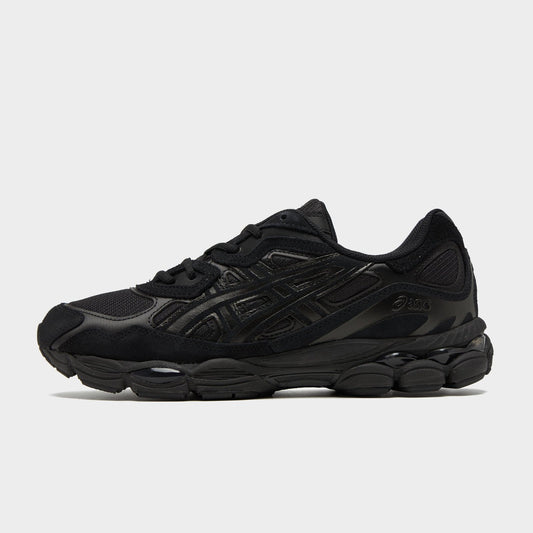
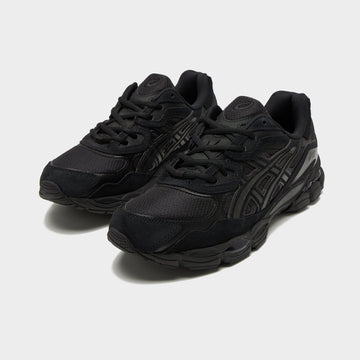
- ASICS Gel 1130 ($249, men's and women's) — ASICS's direct answer to the 530, and the closest match if you like that silhouette but want something less common. Similar low-profile, layered retro-runner look with GEL cushioning in the heel.
- New Balance 9060 ($215–$292) — the chunkier, more sculpted option, with an exaggerated wavy sole and a much bolder profile than the 530.
- ASICS Gel Kayano 14 ($186–$343) — the bulkier, more technical-looking ASICS retro, and the closest rival to the 9060 in our range.
- New Balance 1906 and 2002R ($163–$292 and $232–$249) — the more technical, "gorpcore" end of the New Balance range.
Which should you buy? If you want the safest everyday sneaker with the widest colour range, the 530 is still the one. If you want the same energy without wearing the shoe everyone else is wearing, the ASICS Gel 1130 is the better pick. For chunky silhouettes, the 9060 and Kayano 14 are a genuine style toss-up. Try both and pick the profile you prefer. Browse all sneakers.
Worth knowing: these are lifestyle shoes, not running shoes. Neither the 530 nor the Gel 1130 has the midsole stack or the structure for regular training runs. If you're buying to actually run in, go back up to the performance picks above.
ASICS vs New Balance Sizing: Do They Fit the Same?
Short answer: no. Both brands generally run true to their stated US size, but the shape of the shoe is different, and that's what catches people out when they cross-shop. Half a size out on a running shoe means blisters by kilometre five, so this is worth two minutes before you check out.
| Fit characteristic | ASICS | New Balance |
|---|---|---|
| Overall length | True to size | True to size |
| Toe box | Moderate; tapers more at the front | Generally roomier and squarer |
| Heel | Narrower, more locked-in | Slightly more volume |
| Midfoot | Snug, wraps closely | Slightly more relaxed |
| Width options | Standard, with wide (2E/4E) on selected models | Broadest width range in the industry (narrow through 4E) |
| Best suited to | Narrow to average feet, low-volume heels | Average to wide feet, high-volume feet |
Practical takeaways:
- Do ASICS run big or small compared to New Balance? Neither runs notably big or small in length. Stay at your usual US size in both. The difference is width and heel volume, not length.
- If you have wide feet, New Balance is usually the safer buy, purely because the width range is deeper. Our 880 v15, 860 v15 and 1080 v15 come in 2E and 4E or D Wide, and the ASICS Gel-Kayano 33 and Gel-Nimbus 28 also come in 2E wide.
- If your heel slips in most shoes, ASICS's narrower heel counter tends to hold better.
- If you're between sizes, size up in ASICS before you size up in New Balance. The ASICS forefoot is the tighter of the two.
- Retro models size differently to performance models within the same brand. The New Balance 530 and ASICS Gel 1130 both fit slimmer than their respective running lines.
Check the exact measurements before you order:
- ASICS Men's Footwear Size Guide
- ASICS Women's Footwear Size Guide
- New Balance Men's Footwear Size Guide
- New Balance Women's Footwear Size Guide
Which Is More Comfortable for Walking and Standing All Day?
A large share of people comparing these two brands aren't runners. They're nurses, teachers, hospitality staff and tradies who need a shoe that survives a twelve-hour shift. The criteria are different from running, so the answer is different too.
For standing all day, New Balance generally wins, and the reason is fit rather than foam. Feet swell over a long shift, and the roomier forefoot plus the broad width range means you're far more likely to find a pair that still feels right at hour ten. The 880 v15 and 1080 v15 in a wide fit are the obvious places to start, and the 530, 9060 and 1906 handle all-day casual wear.
For walking longer distances, ASICS is a strong option, because a walking gait rolls through the foot in a way that benefits from the structure and heel cushioning in ASICS's GEL shoes. The Gel-Cumulus 28 and Gel-Nimbus 28 are the cushioned picks in our range.
If you overpronate or have flat feet, look at stability: the ASICS Gel-Kayano 33 or the New Balance 860 v15. Support beats width when your arch is collapsing.
One honest caveat: a lifestyle sneaker is not a substitute for a proper walking or work shoe if you're on concrete every day. Both the 530 and the Gel 1130 look the part but have far less underfoot cushioning than the performance models above.
Cushioning Technology: GEL and FF BLAST+ vs FuelCell
The two brands take genuinely different approaches to midsole foam, and it explains most of how each shoe feels underfoot.
ASICS runs two things in parallel. FF BLAST+ is its lightweight, high-rebound foam, used across its modern performance lines for a springy, energetic ride. Alongside it, traditional GEL cushioning units sit in the heel and forefoot of the Kayano, Cumulus and retro lines, prioritising shock absorption and a structured, planted feel over outright bounce.
New Balance splits its foams by purpose. FuelCell, used in the Rebel v5, is built around propulsion, a firmer, more responsive compound designed to give energy back on push-off. Fresh Foam X is the softer, plusher foam in its daily trainers (880, 860, 1080), and ABZORB is the older, more durable compound you'll find in retro lines like the 530 and 1906.
Neither approach is objectively better. It's a real trade-off between structured, shock-absorbing comfort and propulsive responsiveness. If you want a shoe that disappears underfoot on an easy run, look at the 1080 v15, 880 v15 or Gel-Nimbus 28. If you want a shoe that makes tempo pace feel easier, take the Rebel v5 or Novablast 6.
Durability: How Long Does Each Brand Last?
Price per pair only tells half the story. Most daily trainers from both brands are designed to handle roughly 500 to 800 kilometres of regular training before the cushioning noticeably breaks down. ASICS highlights durable outsole rubber in the high-wear zones under the heel and forefoot, which helps its daily and stability shoes last.
The FuelCell Rebel v5 is built more like a dedicated speed tool than a daily workhorse. Lighter, speed-oriented foams compress and lose responsiveness faster under high mileage, so most runners get the best out of it by reserving it for tempo sessions, intervals and race day. Rotating two pairs extends the life of both.
On the lifestyle side, the New Balance retro lines are the more durable option day to day. ABZORB is an older, denser compound than anything in a performance midsole, and shoes like the 530 and 1906 are built to be worn constantly rather than trained in.
Are ASICS and New Balance the Same Company?
No. They're completely separate companies with no shared ownership, based on opposite sides of the world.
ASICS is Japanese, founded in Kobe in 1949 by Kihachiro Onitsuka (originally as Onitsuka Tiger). The name is an acronym of the Latin phrase anima sana in corpore sano, "a sound mind in a sound body". It's a publicly listed company and its identity has always been rooted in performance running and technical footwear.
New Balance is American, founded in Boston in 1906, and remains privately owned, one of the few major athletic brands that isn't publicly traded. It's known for manufacturing a portion of its range in the US and UK, and for offering a far wider range of width fittings than most competitors.
The confusion is understandable: both brands make retro running silhouettes with a similar aesthetic, both use letter-and-number model names, and both have had a major lifestyle resurgence in the same period. They're unrelated businesses that happen to compete in the same space.
Frequently Asked Questions
Which is better: New Balance or ASICS for running?
Both have a full current range in our Australian stock. ASICS leads on structured stability and GEL cushioning (Gel-Kayano 33, GT-2000 15, Gel-Nimbus 28), while New Balance leads on width options and a roomier fit (880 v15, 860 v15, 1080 v15, FuelCell Rebel v5). If you only run a few times a week at an easy pace, either brand will serve you well; pick on fit rather than brand.
Are ASICS and New Balance the same size?
They're the same in length, so stay at your usual US size in both, but not the same in shape. New Balance has a roomier, squarer toe box and more width options; ASICS has a narrower heel and a snugger midfoot. If you're between sizes, size up in ASICS before you size up in New Balance.
Do ASICS run big or small compared to New Balance?
Neither runs notably big or small. The practical difference is width, not length: New Balance will feel wider through the forefoot at the same stated size, and ASICS will feel more locked-in at the heel.
Are ASICS or New Balance more comfortable?
It depends on your feet and what you're doing. New Balance is generally more comfortable for wide feet and for standing all day, thanks to the roomier fit and broad width range. ASICS is generally more comfortable for walking in its cushioned GEL models. If you overpronate, choose a stability shoe from either brand.
What is the New Balance equivalent of the ASICS Gel Kayano?
The closest equivalent is the New Balance 860 v15. Both are stability trainers built for overpronation. The current ASICS model is the Gel-Kayano 33 ($292 AUD); we stock the 860 v15 in standard, 2E and 4E widths ($266 AUD).
What is the New Balance equivalent of the ASICS Gel Nimbus?
The 1080 v15 is New Balance's max-cushion neutral trainer and the direct counterpart to the Gel-Nimbus 28. The Nimbus 28 is $258 AUD and the 1080 v15 is $249–$351 AUD, both in stock for men and women.
What is the New Balance equivalent of the ASICS Gel Cumulus?
The Fresh Foam X 880 v15, a neutral, cushioned daily trainer ($241 AUD), is the counterpart to the Gel-Cumulus 28 (from $241 AUD).
Which ASICS is most like the New Balance 530?
The ASICS Gel 1130 ($249 AUD) is the closest match: same low-profile 2000s-runner silhouette, similar layered upper, GEL cushioning in the heel. It's the pick if you like the 530 look but want something less widely worn.
Is ASICS or New Balance better for standing all day?
New Balance, for most people. Feet swell over a long shift, and New Balance's roomier forefoot and broader width range make it easier to find a pair that still feels right at the end of it. The exception is if you overpronate or have flat feet, where structured support matters more than width.
Is ASICS or New Balance better for walking?
ASICS's cushioned GEL models (Gel-Cumulus 28, Gel-Nimbus 28) are strong walking options, while New Balance's wide fits make it the better choice if your feet swell or you need extra room.
Are ASICS and New Balance the same company?
No. ASICS is a Japanese company founded in Kobe in 1949; New Balance is an American company founded in Boston in 1906 and is still privately owned. They have no shared ownership.
Is the FuelCell Rebel v5 suitable for beginners?
It can be, but it isn't the obvious first pair. It's firmer and more propulsive than a typical daily trainer, so newer runners usually get more comfort from the 880 v15, and reach for the Rebel v5 when they start doing structured speed work.
Are these prices the final price I'll pay in Australia?
Yes. Every price listed includes GST and duties under our Landed Price Guarantee, with no surprise customs or import fees added at delivery.
Final Verdict: ASICS vs New Balance in 2026
If we had to compress the whole comparison into one line: ASICS is the pick for structured stability and GEL cushioning, New Balance is the pick for width options and a roomier fit, and both have a full current range in stock. On the lifestyle side they're genuinely neck and neck, and the choice comes down to which silhouette you prefer.
Rather than forcing a single winner between two well-respected brands, the useful question is what you're actually training for this week, and, if you're not training at all, which one fits your foot better over a long day.
Browse the full range from both brands: shop ASICS or shop New Balance. Use Check Availability on each product page for your size. If you're cross-shopping other brands, our Nike vs adidas running shoe comparison and On Running vs Nike comparison cover those pairings in the same detail, and for a men's half-marathon angle see our best half marathon shoes guide. For retro and lifestyle picks, see our New Balance vs PUMA lifestyle sneakers guide.
Stock, pricing and availability last verified against live LUZActive inventory in October 2026. LUZActive (Luzscape Pty Ltd) is an independent Australian multi-brand retailer and is not an official partner or affiliate of ASICS or New Balance.
Still deciding? Our running shoe guide covers cushioning, D/2E widths, men's vs women's sizing and how the major brands compare.